.avif)


The Face-to-Face Advantage
Riki Tahere — Head of Rugby at St Bede's College, Christchurch and a coach developer with Canterbury Rugby — delivers his next blog about sport and coaching.
If you work in schools, coach young people, or make decisions about student activities, you should be reading him here.
The Face-to-Face Advantage
Screens have changed how young people connect. Sport hasn't. That might be the most important thing about it.
There's a moment every coach knows. A player makes a mistake. The team is watching. And in the next five seconds, something happens that no algorithm can replicate, no app can teach, and no screen can substitute for. The coach responds. And the player learns something that has nothing to do with sport.
We talk a lot about what sport builds in young people. Resilience, teamwork, discipline. The list gets trotted out at prize nights and on club websites. But there's something more specific happening that we rarely name clearly enough.
Sport, run well, is one of the last places where young people regularly have to navigate real human situations in real time. Conflict. Accountability. Receiving hard feedback from someone they respect. Repairing a relationship after they've let someone down. And doing all of it face to face, with no delete button and no time to compose a response.
That used to be just... Tuesday. Now it's increasingly rare. And increasingly valuable.
But here's the part that often gets missed:-
Those skills don't just appear because young people are playing sport together. They develop because there's an adult in the room who models them. The research on this is consistent. It's not the drills or the tactics that most shape a young athlete's emotional development. It's the relationship with their coach. Specifically, how that coach communicates. Whether they're honest or evasive. Whether they deal with conflict head on or let it fester. Whether they see the whole person in front of them, or just the player.
Coaches' behaviours get absorbed. Not just on the field — in life.
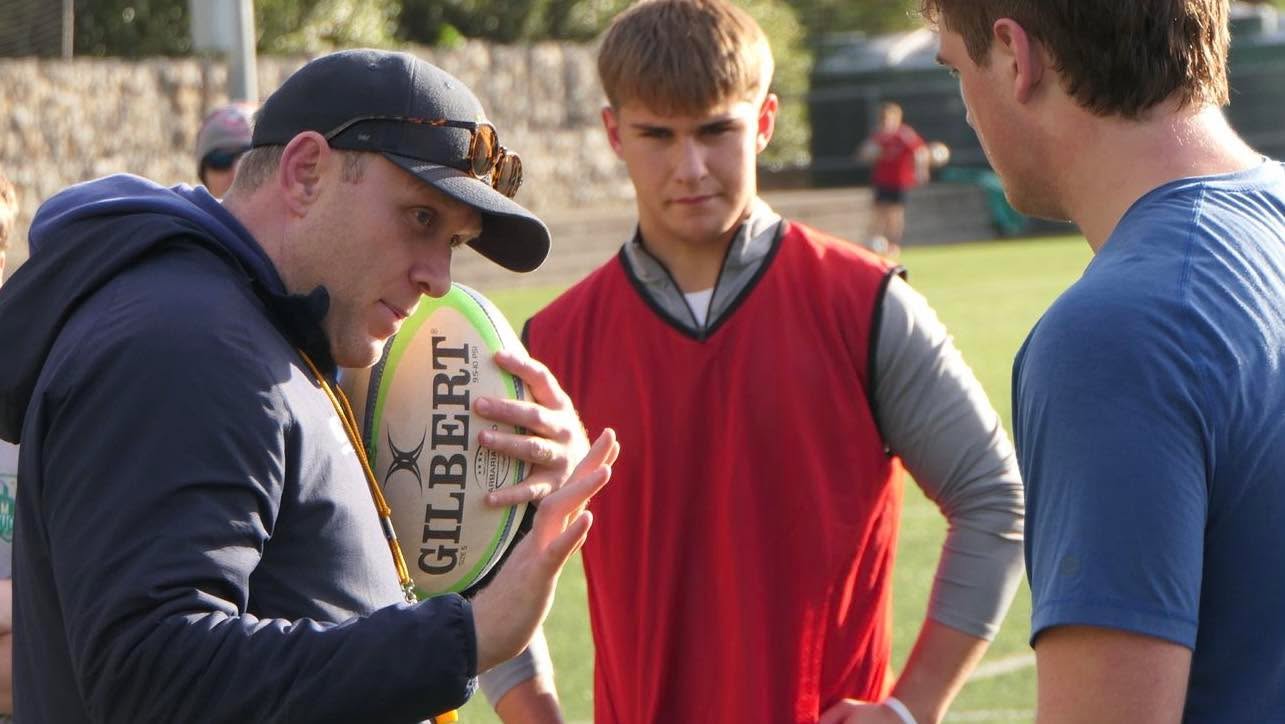
Young people are watching how you handle a bad call. How you speak to someone who's underperforming. How you have a hard conversation and come out the other side of it without leaving a dent in someone's confidence. They are quietly taking notes on how adults behave under pressure. Most of them aren't getting that lesson as consistently anywhere else.
David Epstein, in Range, (https://davidepstein.com/range/) argues that the most transferable skills come from environments that combine pressure, variety, and genuine human feedback. Team sport with a coach who's fully engaged is almost a textbook example. And Adam Grant (https://adamgrant.net/) would likely add: the best leaders aren't the ones with the most knowledge. They're the ones who create conditions where the people around them grow.
That's just coaching, isn't it.
The face-to-face advantage isn't a nostalgic idea about how things used to be. It's a description of something that's still happening, in clubs and on fields every week, that the rest of the world is quietly running out of.
Sport puts young people in real situations with real stakes. A good coach makes sure those situations teach them something worth carrying for life.
That's the thing worth protecting. Not just the game. The relationship inside it. The most important thing you do at training this week probably won't show up in any stats. It'll be a conversation. Make it count.
Riki Tahere – Rere Performance