.avif)


What can sport achieve for our youth?
For coaches and youth sports staff
I've been reading a newsletter that stopped me in my tracks this week.
Riki Tahere — Head of Rugby at St Bede's College, Christchurch and a coach developer with Canterbury Rugby — has started writing for us about sport. If you work in schools, coach young people, or make decisions about student activities, you should be reading him here.
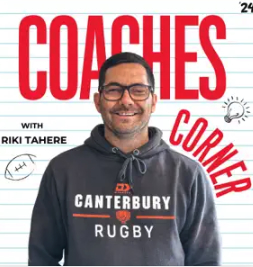
His opening story is one I'd never heard before.
In 1998, Iceland had a teenage drug crisis. Nearly half of all 15 and 16-year-olds had been drunk in the previous month. Drug use was rising steadily.
The government's response wasn't tougher policing or more awareness campaigns. It was sport.
Psychologist Harvey Milkman helped design a programme that made organised sport, music, and after-school activities free or heavily subsidised for every teenager in the country. The idea was simple: give young people something real to feel good about. Within two decades, the number of teens drunk in the previous month dropped from 42% to just 5%. Cannabis use fell from 17% to 5%. The model has since been replicated in 35 cities across 17 countries.
Riki's point — and it's one I find myself returning to as both a former teacher and someone who runs sports tours for school teams — is that we don't tell that story enough.
We worry about the draw, the grading, the scoreboard. But the evidence is clear. Organised sport is shaping the kind of people our young players will become. And right now, that mission has never mattered more.
More from Riki to come. This is exactly the conversation schools need to be having.
Riki Tahere is Head of Rugby at St Bede's College and founder of a coaching consultancy specialising in player and coach development. Follow him for more on youth sport, character, and what the research actually says.